Components
General overview
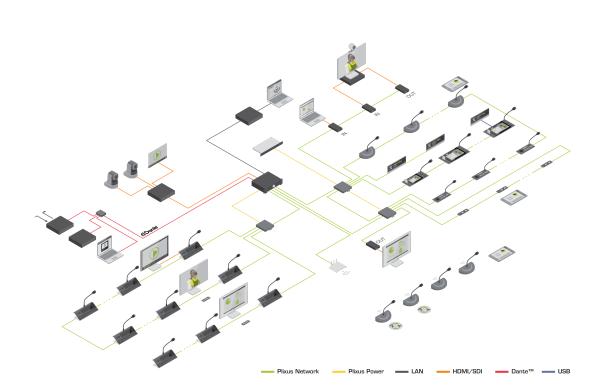
Figure 1-2 Plixus architecture diagram with example setup
The Plixus architecture allows for a mix & match of components: from flushmount devices over multimedia units and interpreter desk to PTZ cameras and third-party Dante™-enabled applications.
A typical setup consists of the following components:
- A central engine (multimedia or audio-only)
- CAT 5e network cables
- Depending on the size of the network: one or more power supplies.
- Depending on the size of the network: one or more network extenders. Each network extender powers a separate branch. It permits 4 branches or 2 loops.
- CoCon management software to manage every aspect of the meeting
- T-Rex recording software to record audio
- A combination of units
- uniCOS units: multimedia flushmount and tabletop units
- Confidea T units: tabletop units (discussion/voting/interpretation)
- Confidea F units: flushmount units (discussion/voting/interpretation)
- Plixus Nameplate
- Confidea G3 units: the wireless solution
- Lingua Interpreter Desks
- Video IN-OUT boxes
- A combination of peripherals
- PTZ cameras
- External displays
- Dante™-enabled devices
- Tablets running Congressify